

News & Insights
Photo courtesy of: Greg Land
Using public land to rethink workforce housing opportunities
Across the country, communities are grappling with a shared challenge: how to expand affordable workforce housing while continuing to invest in the public facilities that anchor civic life, particularly schools. At B&D, we have spent years working alongside public-sector leaders to explore how more integrated planning approaches can help address both needs at once.
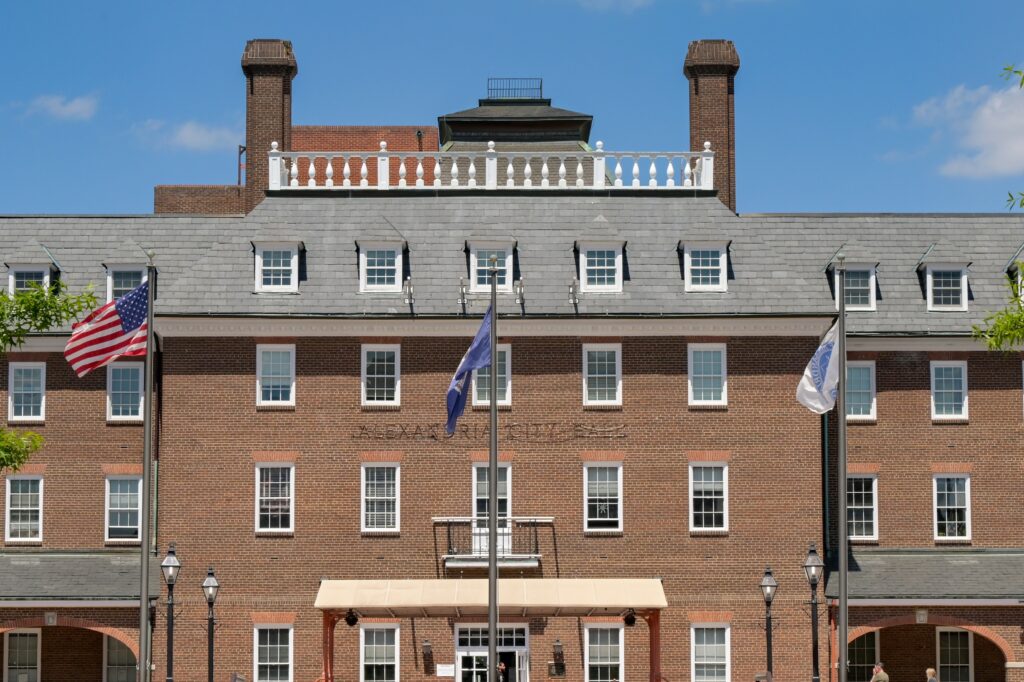
One example that has informed this thinking comes from Alexandria, Virginia, where City and school leaders examined how publicly owned land might play a more strategic role in meeting long-term housing goals. Rather than viewing schools, libraries, and other civic facilities as single-purpose sites, the City explored how coordinated planning could open the door to co-location opportunities that pair essential public services with housing that supports the local workforce.
B&D supported this effort through a comprehensive planning lens, helping leadership step back and assess the full portfolio of public assets citywide. The work focused on understanding future facility needs, capital investment timelines, and site constraints, and then evaluating where housing considerations could be thoughtfully introduced without compromising educational or civic outcomes.
This approach was less about advancing a specific development and more about building a framework for decision-making. The focus was on aligning facilities planning, land use strategy, and housing policy so leaders could make informed choices over time. By looking holistically at public land, decision-makers were able to identify where partnerships might be feasible, where tradeoffs would be required, and where housing simply would not be appropriate.
The takeaway is not a one-size-fits-all solution, but a planning mindset. When cities and school systems coordinate early, ask the right questions, and ground decisions in long-range needs, public land can become part of a broader workforce housing strategy while still prioritizing the mission of public education.
For school districts and municipalities facing similar pressures, this kind of integrated planning offers a path forward rooted in clarity, collaboration, and a deep understanding of community priorities.
“This work reflects the importance of thoughtful, long-range planning when communities are balancing competing demands on public land,” said B&D Senior Director Deisy Brangman. “By focusing on process and alignment, public leaders can expand what is possible while keeping educational priorities at the center.”


